
info@dioceseofarua.org
+256 769 261 225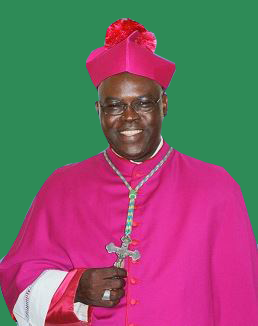
info@dioceseofarua.org
+256 769 261 225
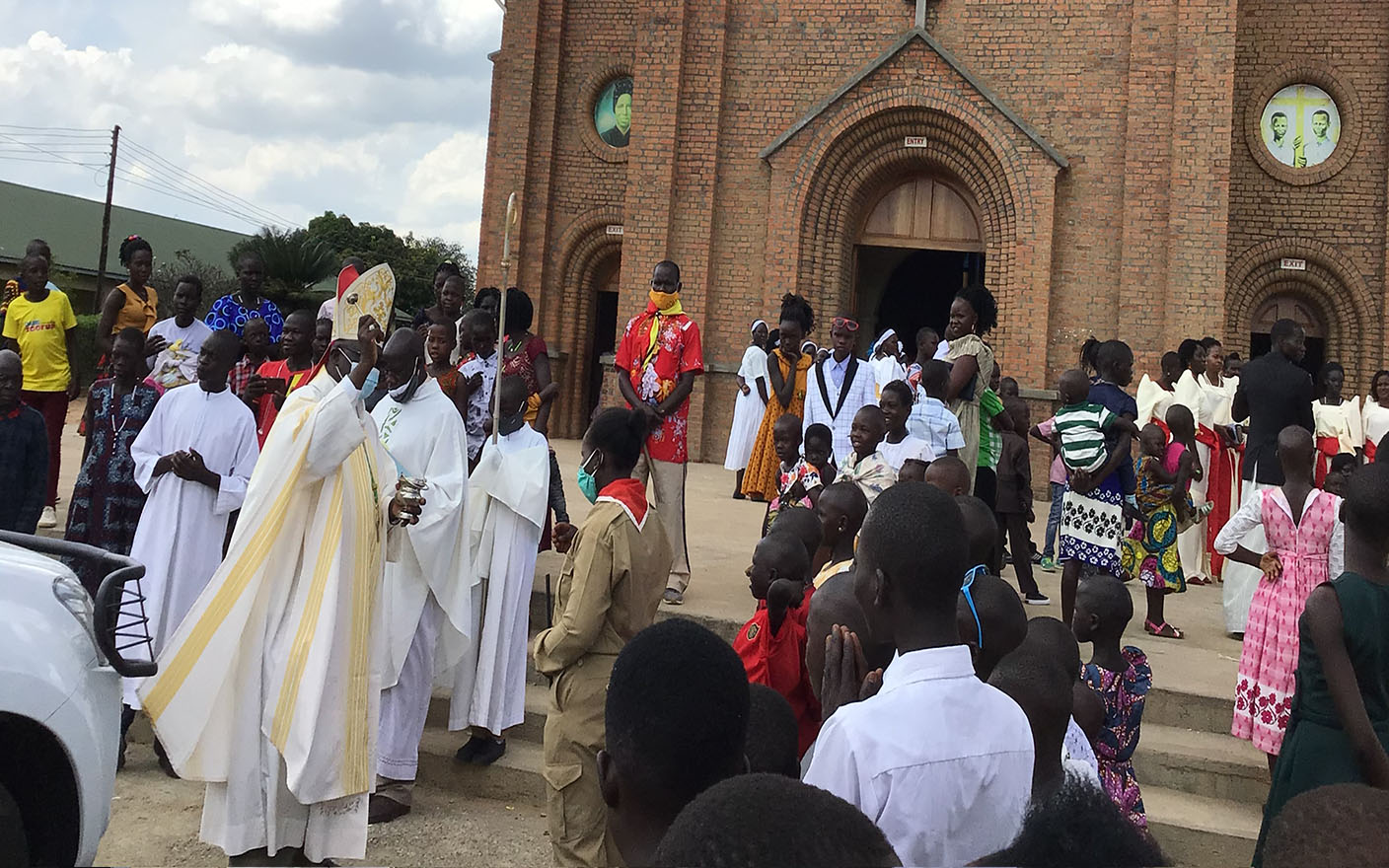
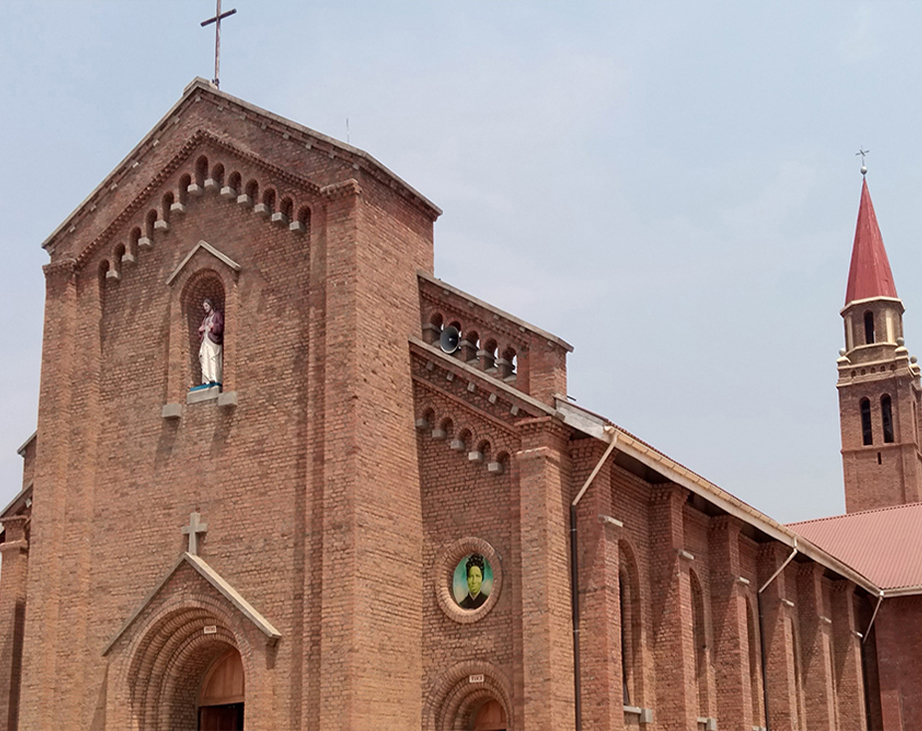
The Diocese of Arua is located in the northwestern part (also known as the West Nile region) of Uganda. The Diocese is bordered to the north by Catholic Diocese of Torit and the Diocese of Yei (both in South Sudan); to the south by Nebbi Catholic Diocese (Uganda); to the east by Gulu Archdiocese (Uganda);and to the west by Diocese of Mahagi-Nioka (in Democratic Republic of Congo). The Diocese covers nine civil districts and one City: Adjumani, Arua,Arua-city, Koboko, Maracha, Moyo, Obongi, Terego, Yumbe and parts of Zombo. The diocesan headquarter and the Cathedral is located at Ediofe Mission, Arua City.
The territory of Arua Diocese was originally part of Gulu Diocese. Erected as a Diocese on June 23, 1958, its Patrons are the Sacred Heart of Jesus and Our Lady, Mediatrix of all Graces. The original territory included what is now Nebbi Diocese; The Catholic Diocese of Nebbi was erected on March 15, 1996.
The first Bishop of Arua Diocese was Rt. Rev. Angelo Tarantino of the Comboni Missionaries. He served from 1958 to 1984. The second Bishop of Arua Diocese was Rt. Rev. Frederick Drandua, first served as Apostolic Administrator and then was consecrated Bishop of Arua on August 15, 1986.He served until his retirement on August 19, 2009. The third and current Bishop of Arua Diocese, Rt. Rev. Sabino Ocan Odoki, was consecrated a Bishop on October 21, 2006 when he was appointed Auxiliary Bishop of Gulu Archdiocese. On August 19, 2009, he was appointed Apostolic Administrator of Arua Diocese. He was then appointed Bishop of Arua Diocese on October 20, 2010.
The area of Arua Diocese is 4,046 square miles or 10,561 square kilometers with an approximate population of 3,396,989 people. Approximately 2,620,277 Catholics reside in the Diocese. The Diocese has 69 parishes organized into 16 deaneries (Adjumani Deanery, Aripea Deanery, Arivu Deanery, Ediofe Deanery, Lodonga Deanery, Logiri Deanery, Maracha Deanery, Metu Deanery, Moyo Deanery, Obongi Deanery, Ombaci Deanery, Otumbari Deanery, Pakele Deanery ) and 8 Vicariates (Ediofe Vicariate, Aripea Vicariate, Adjumani Vicariate, Lodonga Vicariate, Maracha Vicariate, Moyo Vicariate, Vurra Vicariate, Refugees and Migrants Vicariate) and a total of 727 Chapels in the Diocese .
STASTICALLY: Statistically, the Diocese has 69 parishes and sub-parishes, served by 222 priests, comprising 156 diocesan priests, 53 religious priests, and 9 priests serving refugees. The Diocese also has 217 religious women (sisters), 62 religious men (brothers), and 1,152 catechists. Its social and educational apostolate includes 12 Health Centre IIIs, 2 Health Centre IVs, 1 hospital, 50 nursery schools, 303 primary schools, 38 secondary schools, 12 technical/vocational schools, and 1 seminary, reflecting a broad pastoral, educational, healthcare, and community development presence.