Members of Parliament, District and City Leaders, Cultural, Religious and Academic Leaders Gather for Historic West Nile Retreat
Arua, Uganda - June 26, 2026;
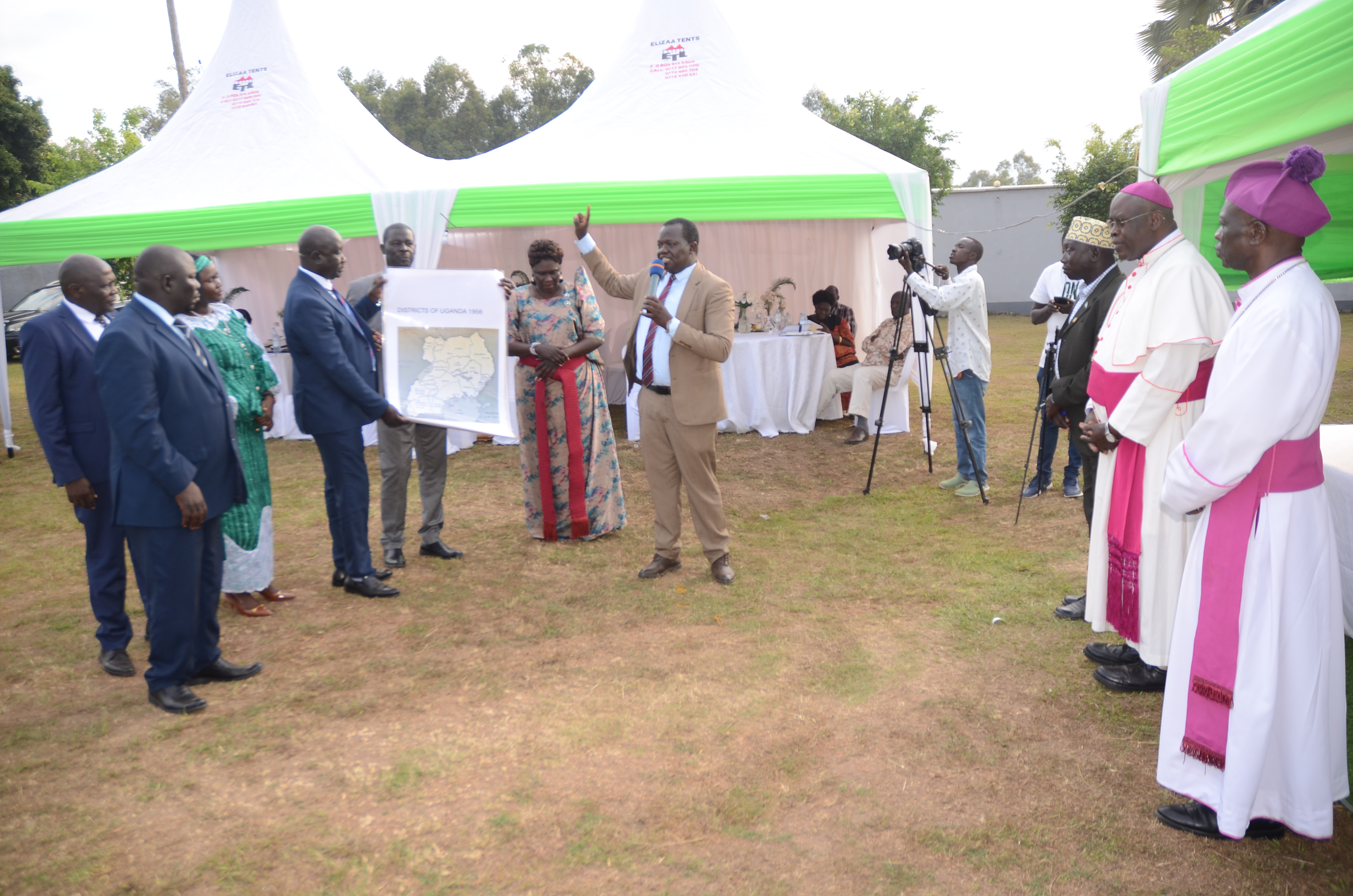
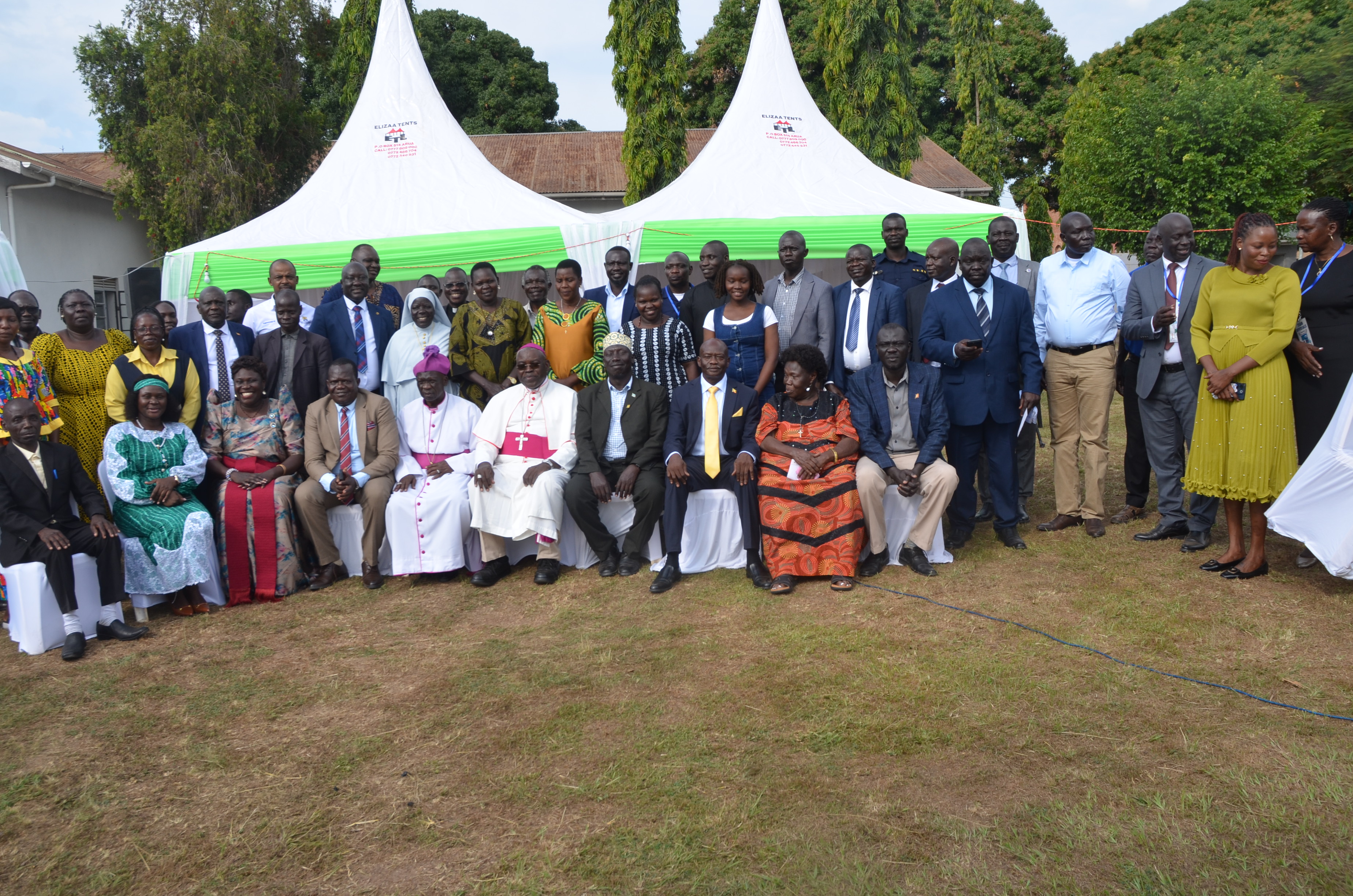
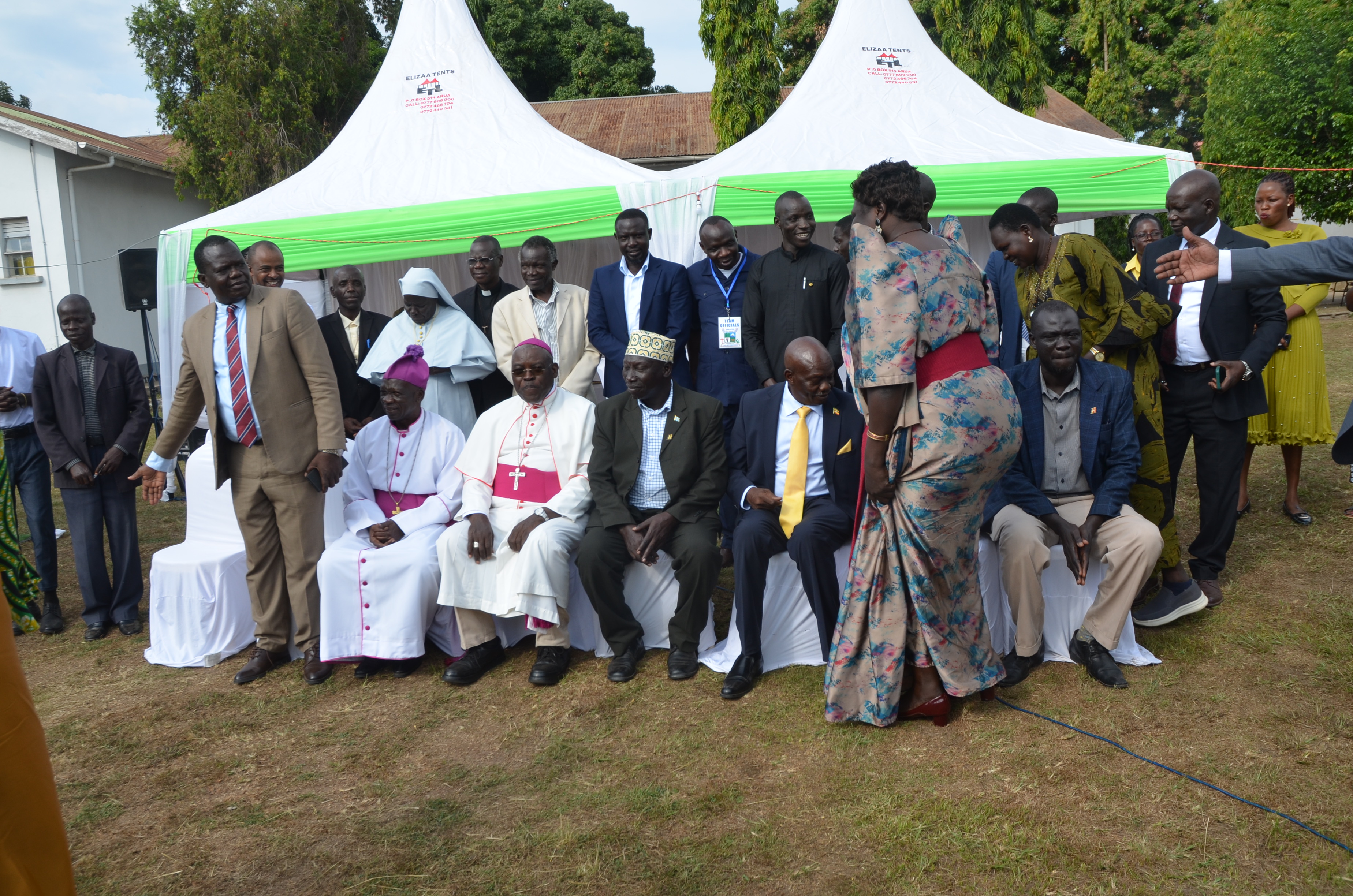
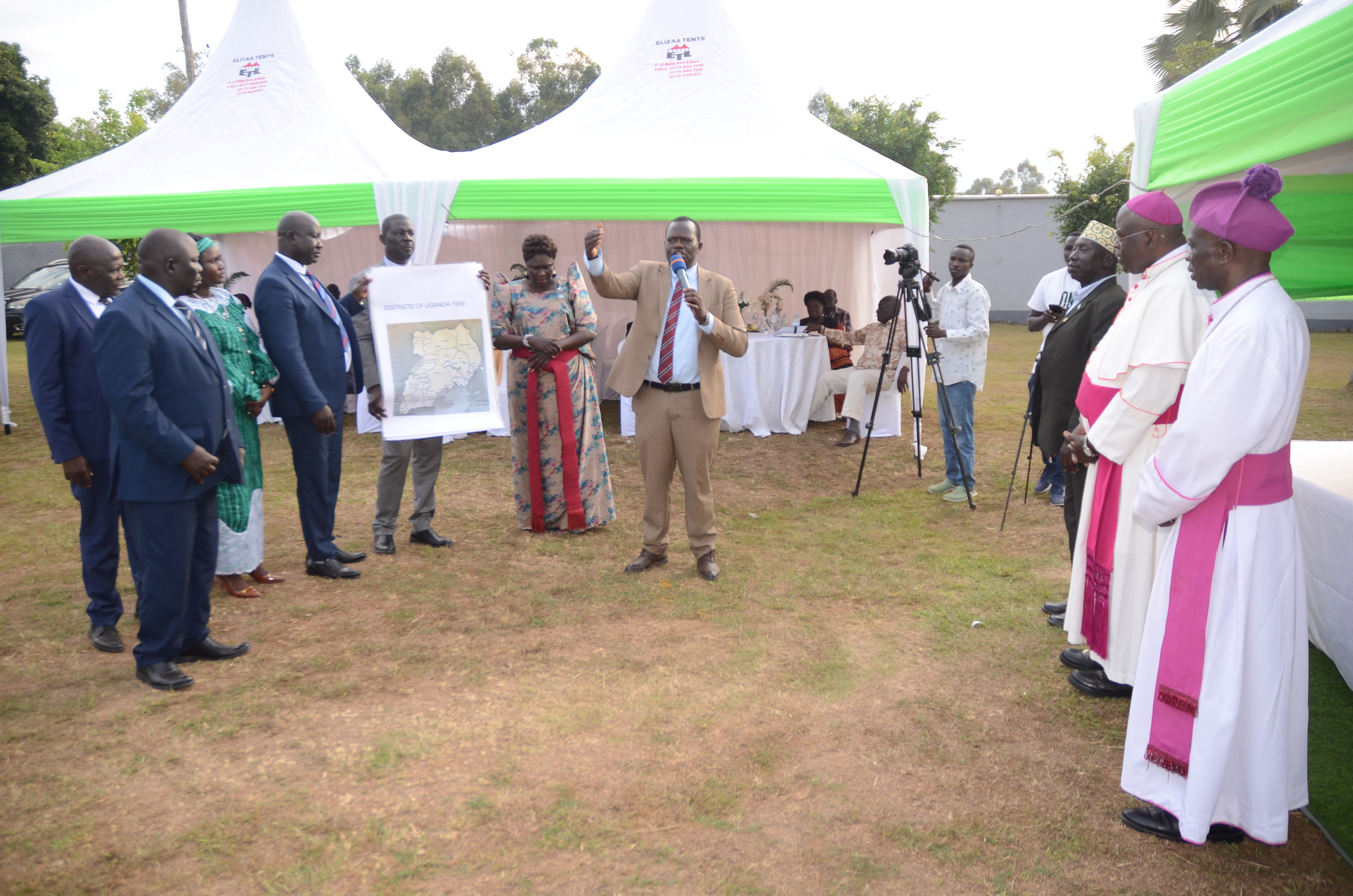
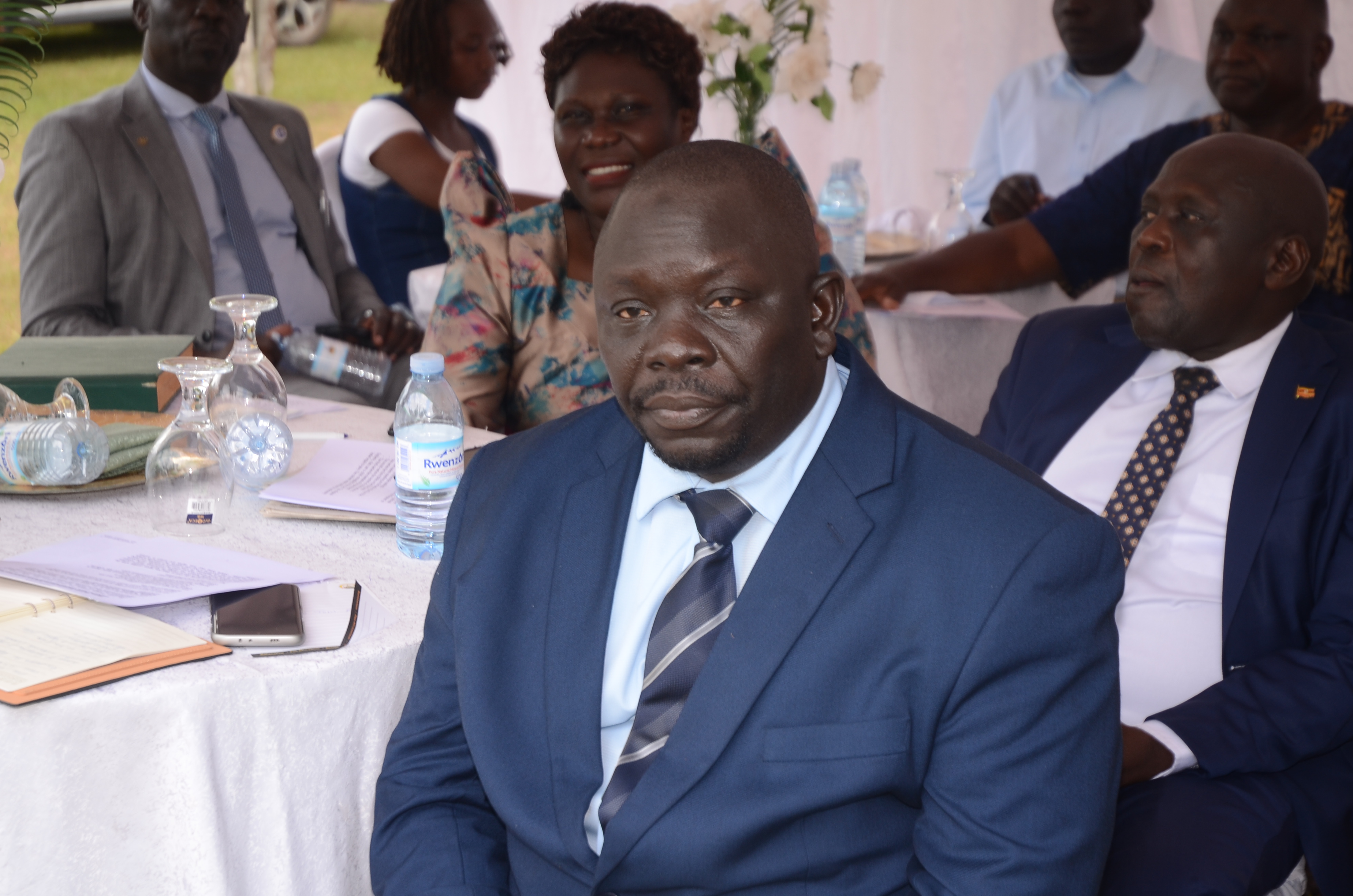
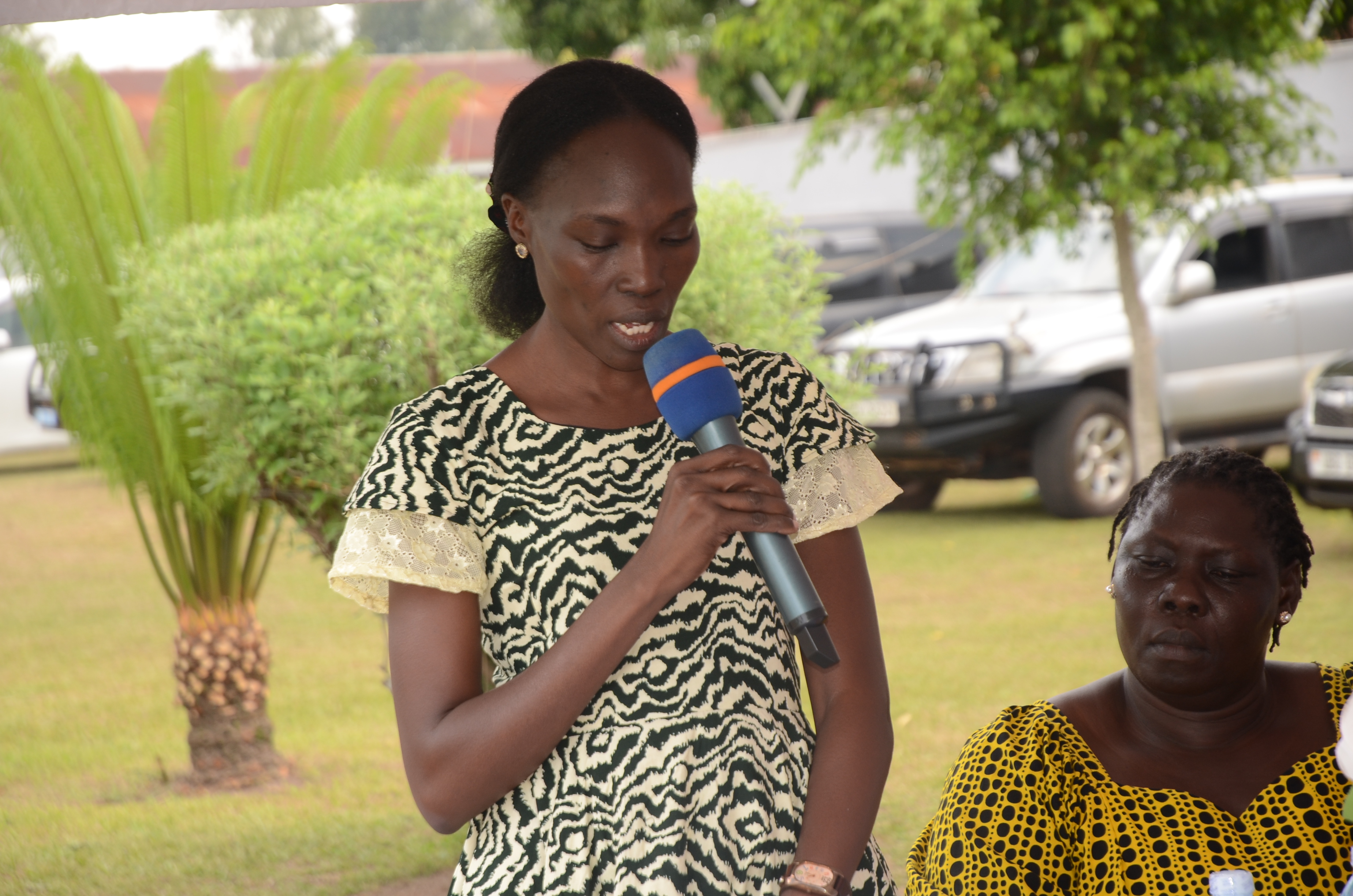
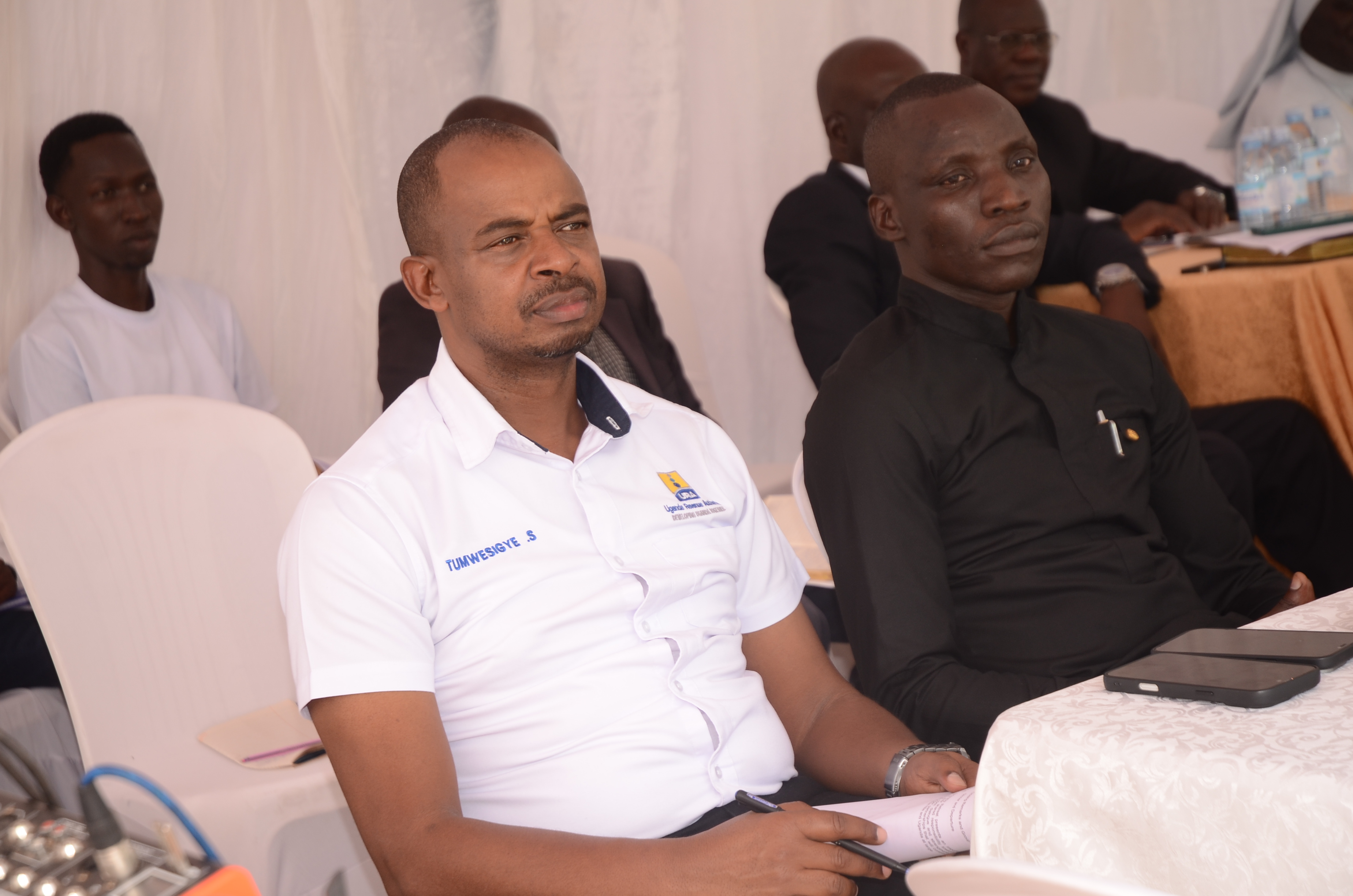
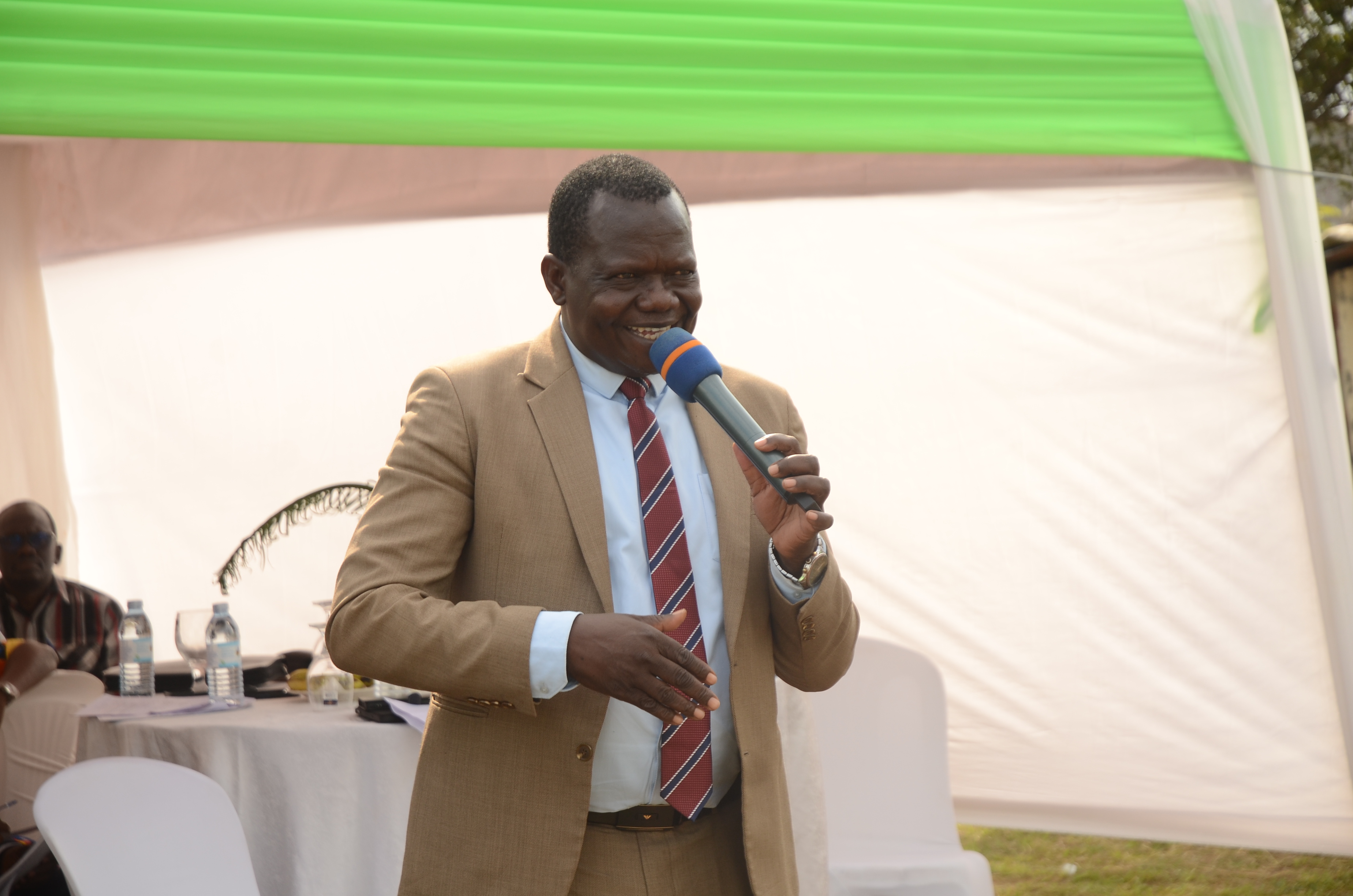
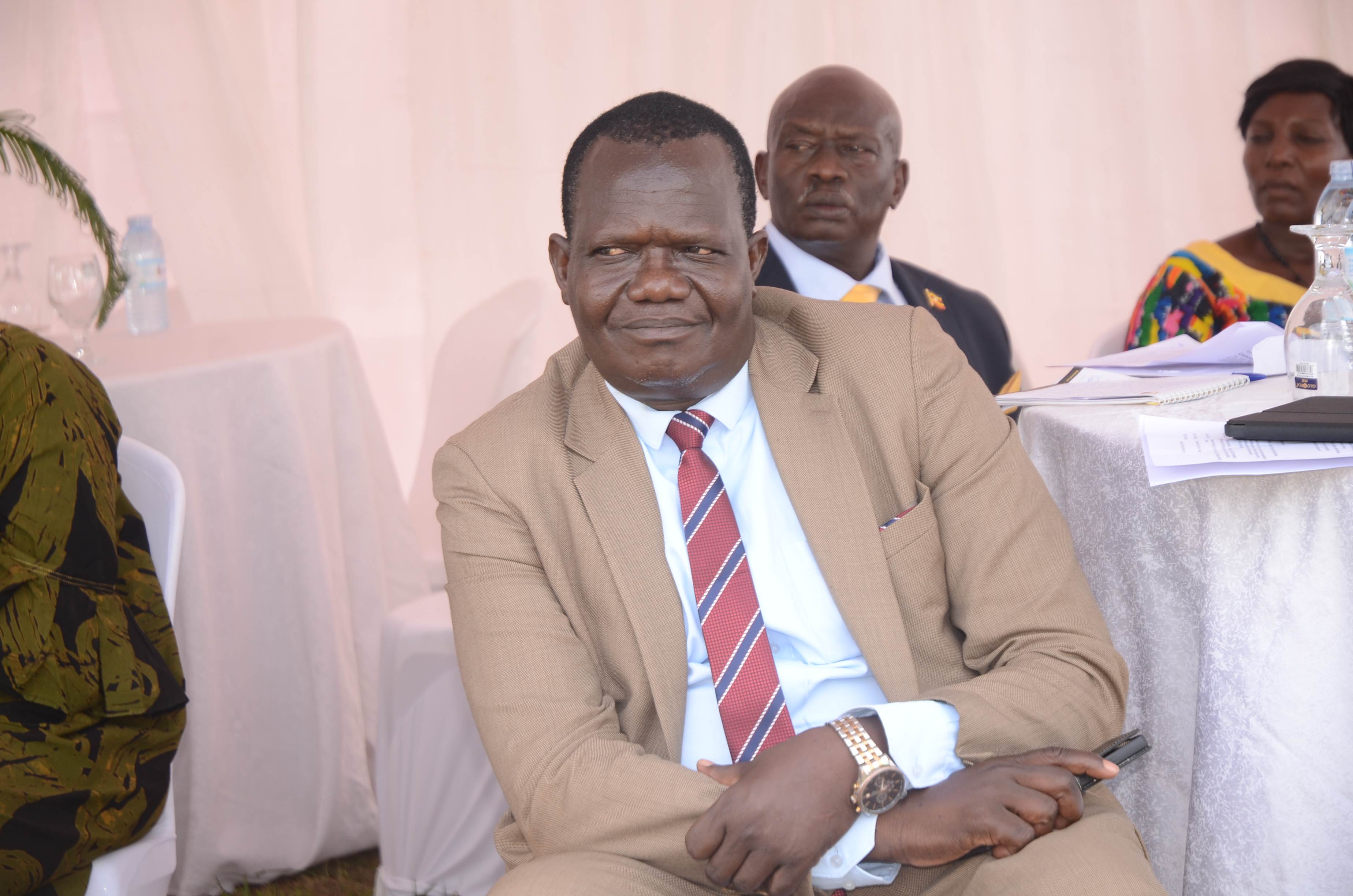
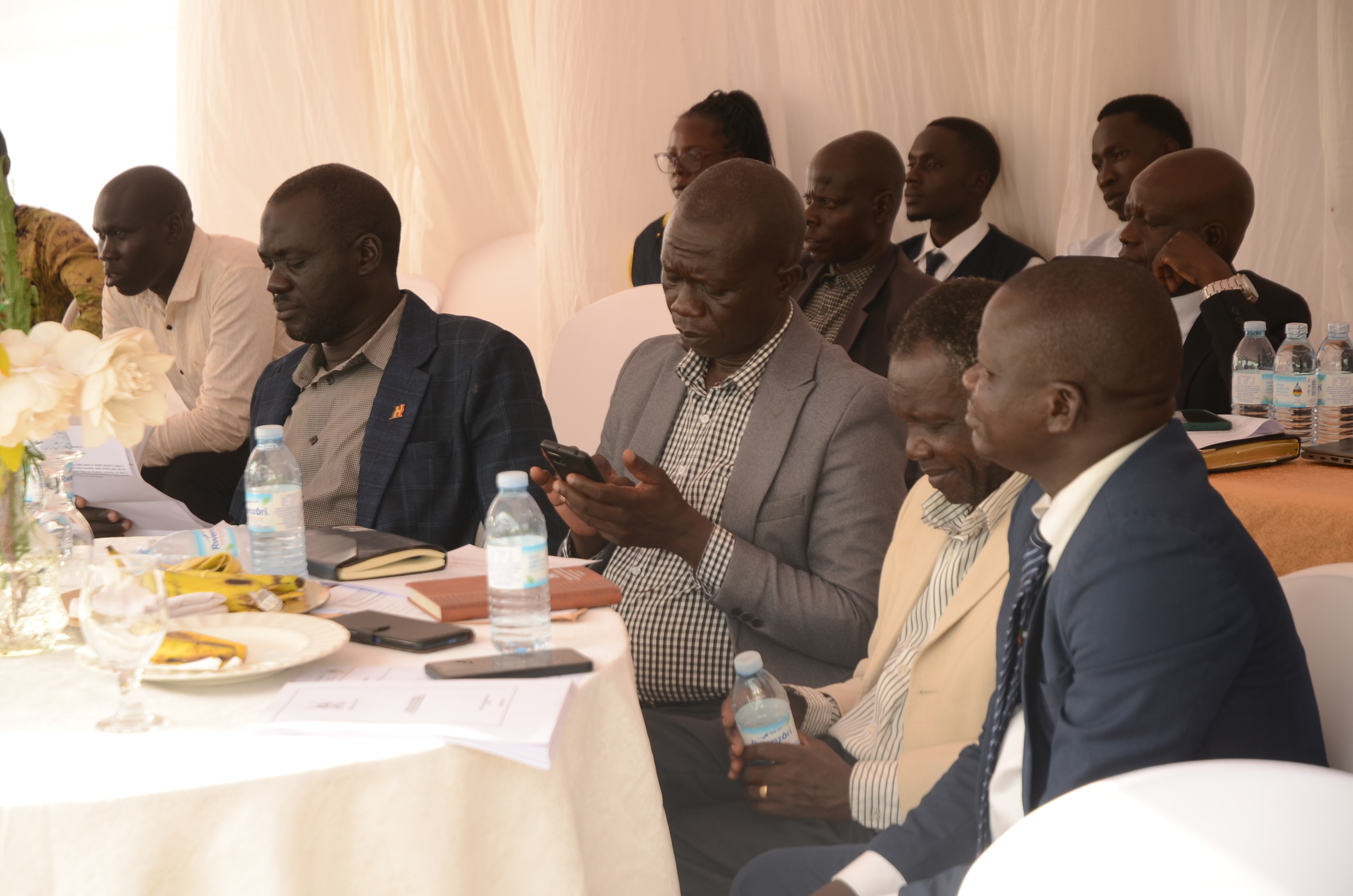
Religious, political, cultural, and institutional leaders from across West Nile gathered at the Bishops Residence, Ediofe,
for a historic leadership retreat that called for greater unity, collaboration, and servant leadership as the foundation
for peace and sustainable development in the region.
Held under the theme
"Building Synergies among Religious, Cultural and Political Leaders for Peace, Unity and
Sustainable Development in West Nile," the retreat was organized by the Greater West Nile Youth Forum (GWNYF)
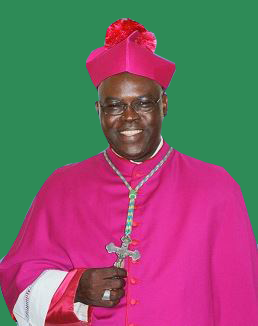
under the patronage of the Bishop of Arua Catholic Diocese, Rt. Rev. Sabino Ocan Odoki, and co-hosted by
Rt. Rev. Collins Charles Andaku. It brought together Members of Parliament, district leaders, cultural
leaders, religious leaders, representatives from academia, government institutions, and youth organizations.
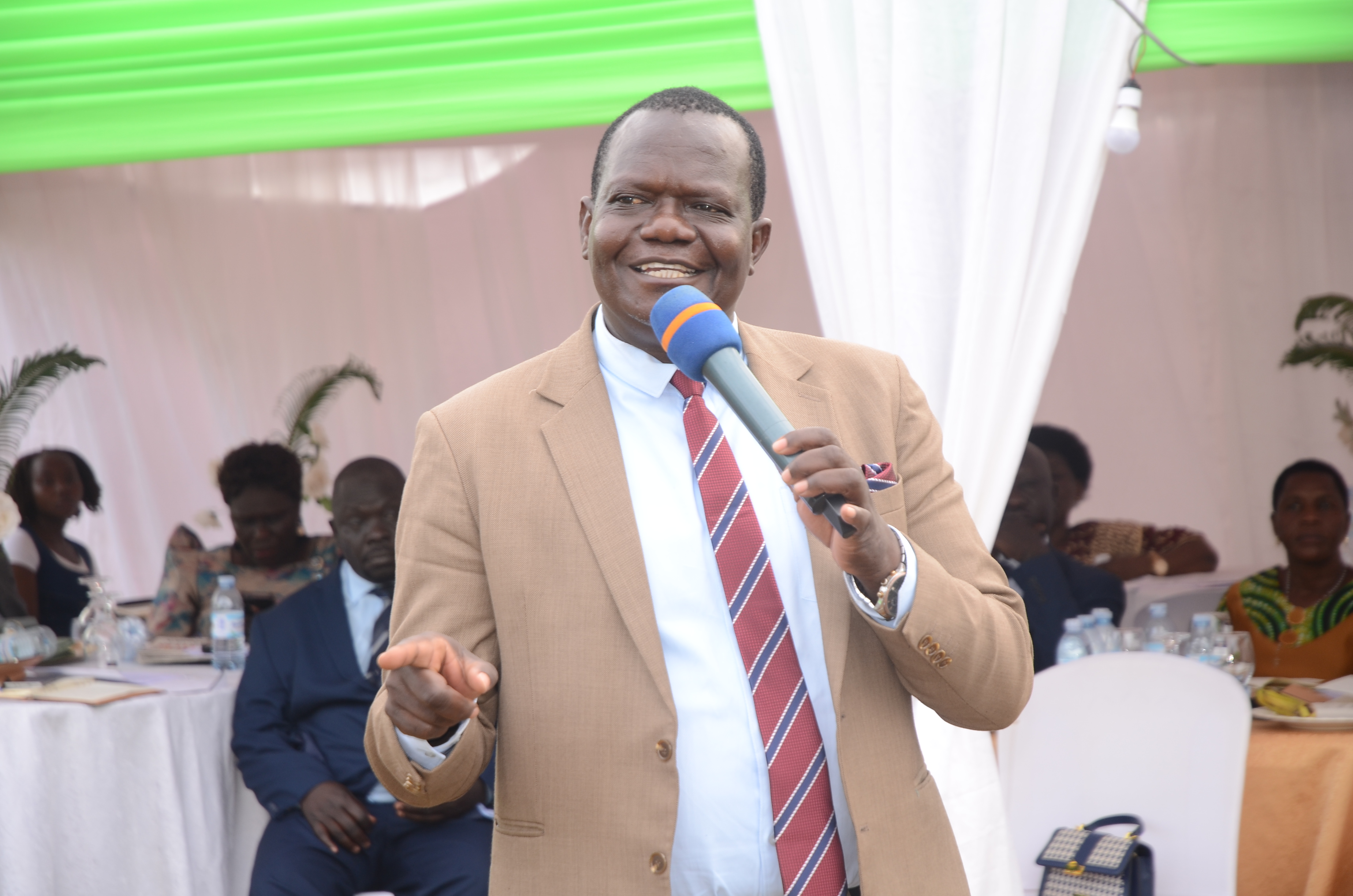
In his opening remarks, Bishop Sabino Ocan Odoki described the retreat as the first of its kind and a powerful
demonstration that leaders from different backgrounds can come together for the common good of West Nile.
He reflected on the origins of the Greater West Nile Youth Forum, which began in 2017 after a group of young
people sought mentorship in response to growing youth violence. That initiative has since evolved into a broader
peace-building movement, contributing to reduced school strikes, youth mentorship programmes, and
the establishment of the West Nile Inter-Religious Initiative for Peace.
"The fact that we have come together means we love West Nile," the Bishop said, urging leaders to move
beyond discussion and commit themselves to practical action. He emphasized that leadership is measured not
by position but by the legacy left behind, calling on leaders to inspire others through service,
collaboration, and integrity.
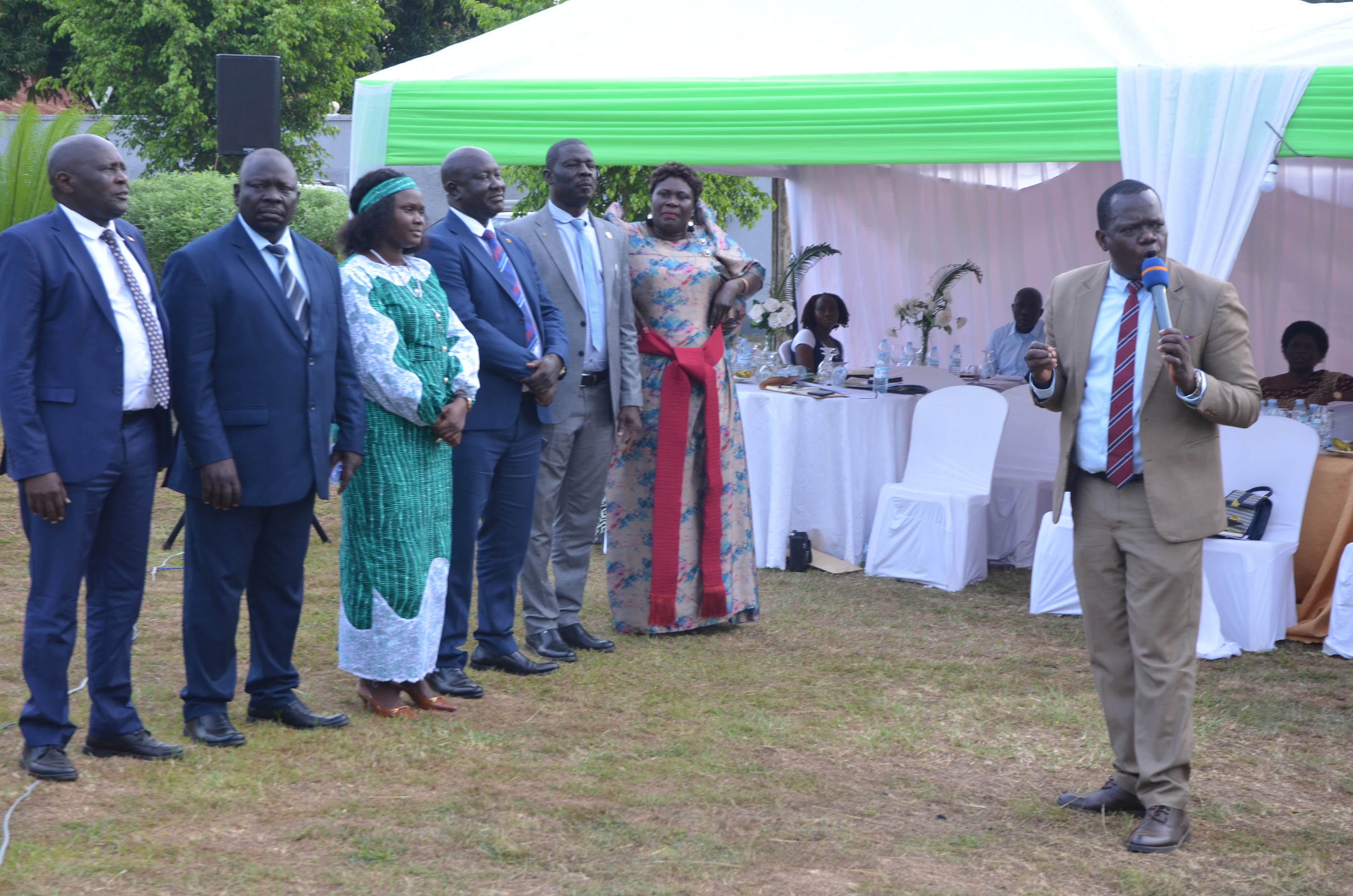
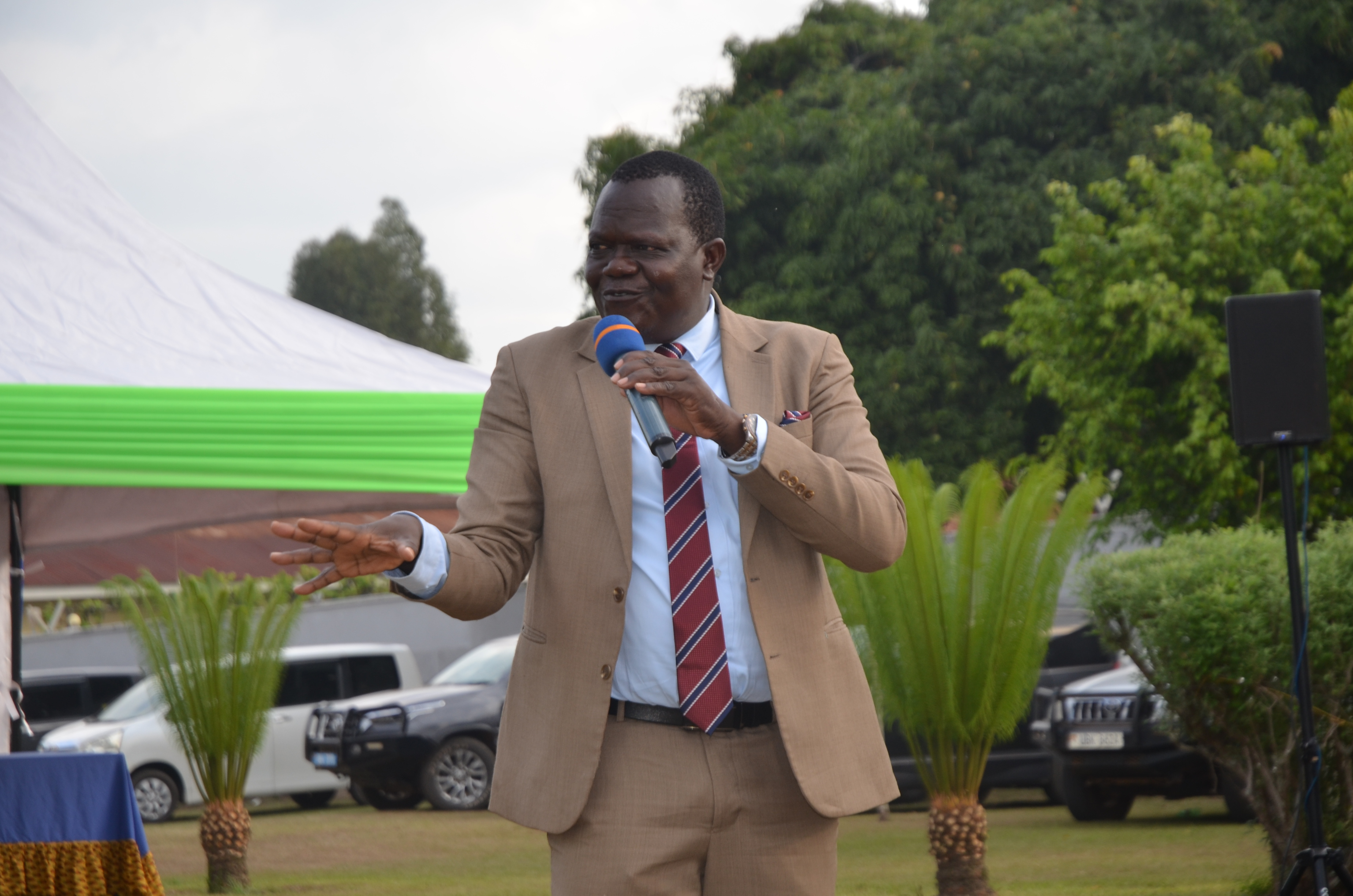
Delivering the keynote address, Abdul-Wahid Adam Ijosiga, Head of Human Resources at Muni University,
challenged participants to use the retreat as an opportunity to assess the region's progress and redefine
its development agenda. He highlighted persistent challenges facing West Nile, including poverty,
youth unemployment, alcoholism, weak educational outcomes, public health concerns, low productivity,
and the absence of a clear economic identity. He stressed that limited collaboration among leaders
remains one of the greatest barriers to development.
Drawing inspiration from both the Bible and the Qur'an, the keynote speaker reminded participants
that lasting progress is achieved through unity and cooperation. The biblical teaching from Ecclesiastes,
"Two are better than one," and the Qur'anic call to "cooperate in righteousness and good deeds," reinforced
the retreat's central message that sustainable development requires collective responsibility.
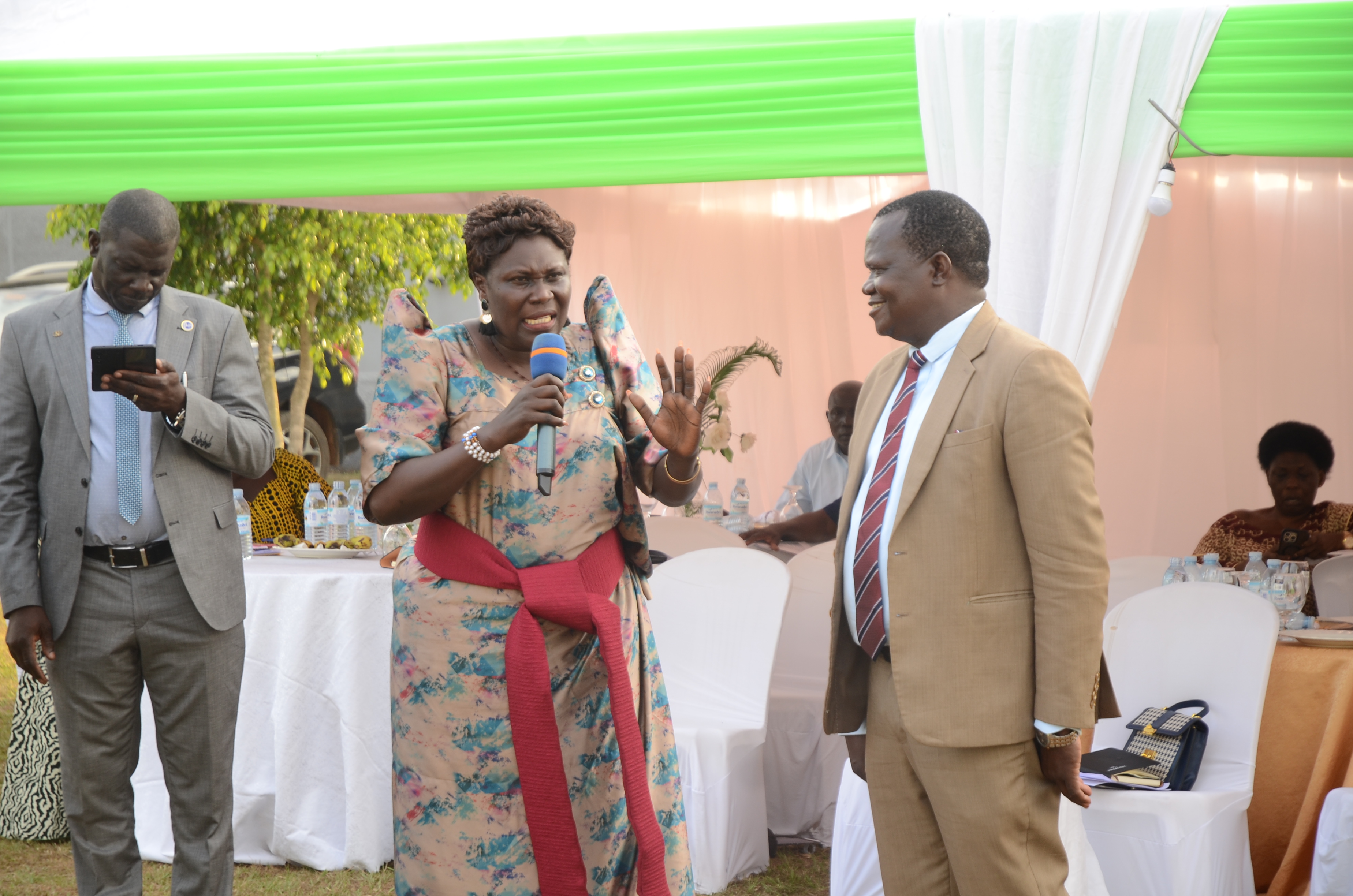
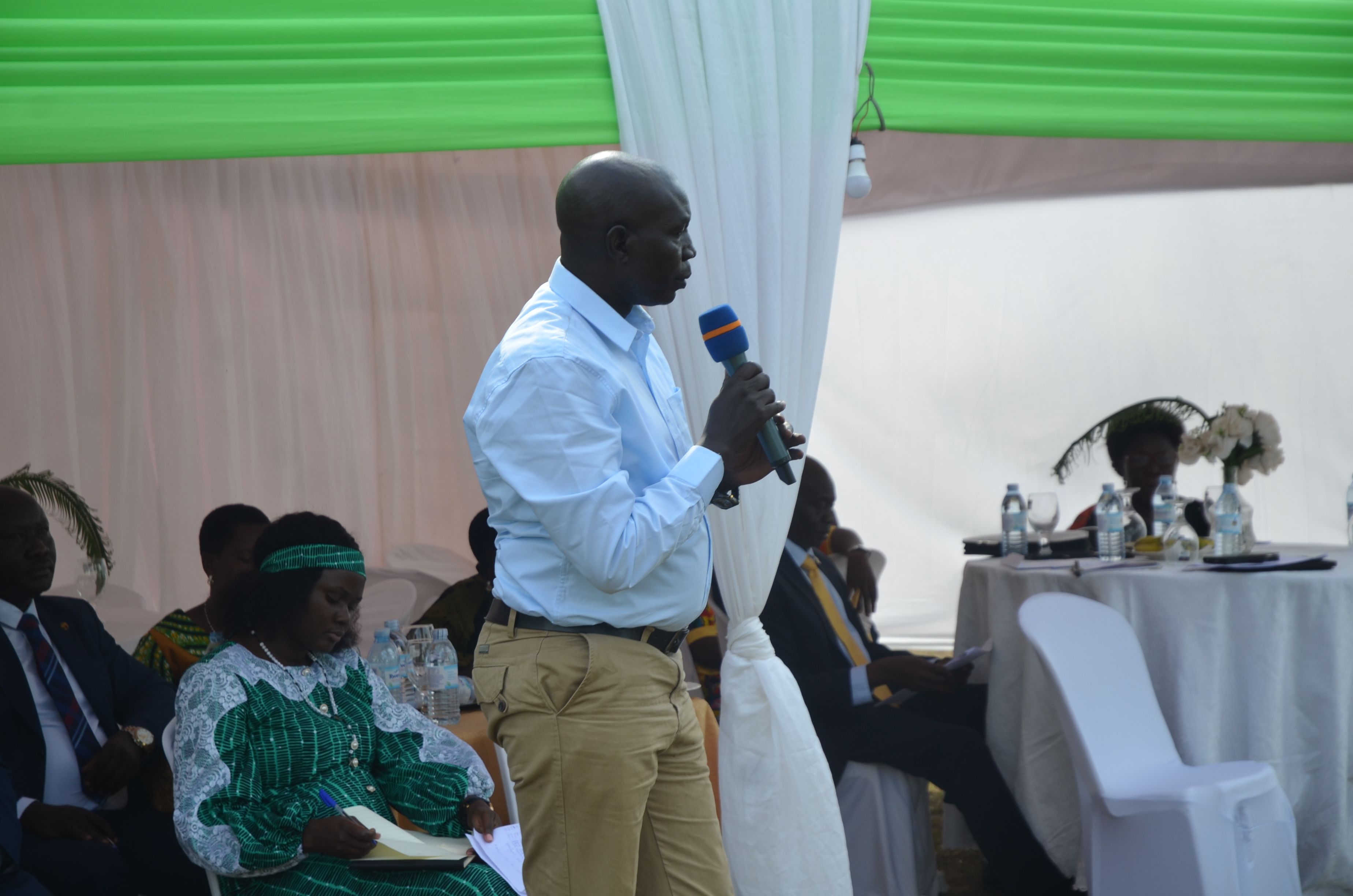
During the discussion session, leaders shared practical perspectives on the challenges confronting
the region. Chairperson of the West Nile Parliamentary Caucus, Hon. Hassan Kaps Fungaroo, emphasized
the need to address political, community, and border conflicts while strengthening unity among leaders
irrespective of political affiliation. Other participants called for stronger family values, improved
education, revival of cooperatives, investment in agriculture and irrigation, greater youth empowerment,
environmental conservation, and increased national representation for West Nile.
Participants also acknowledged the vital role played by the Church in promoting peace and dialogue.
Several speakers appealed to religious leaders to continue providing moral leadership while engaging
national leaders on longstanding regional concerns, including border disputes and equitable development.
The retreat concluded with a number of key resolutions, including strengthening collaboration
among political, religious, and cultural leaders, reviewing and operationalizing the West Nile
Regional Development Plan, institutionalizing periodic leadership retreats, investing in youth
mentorship and employment, addressing alcoholism and school dropout rates, promoting local
enterprise and value addition, and fostering peaceful coexistence across communities.
Closing the retreat, Bishop Sabino reiterated that collaboration is the pathway to
transforming West Nile. He thanked all participants for honoring the invitation and
encouraged them to translate the day's discussions into tangible action. He also informed
the gathering that the groundbreaking ceremony for the proposed Home for Elderly and Sick
Priests had been postponed due to the Ebola risk and appealed to those who had prepared
contributions to hand them to the diocesan finance team.
Rt. Rev. Collins Charles Andaku thanked the organizers, keynote speakers, and participants
for their commitment to the region's future. He encouraged leaders to maintain the spirit
of teamwork demonstrated during the retreat and appealed to political leaders to create more
opportunities for religious leaders to contribute to resolving major governance and peace-building
issues affecting the region.
The retreat ended with a renewed commitment by all participants to work together beyond political,
religious, and cultural differences in pursuit of a peaceful, united, and prosperous West Nile.
"Together, let us build a West Nile that is peaceful, united, prosperous, and purposeful."